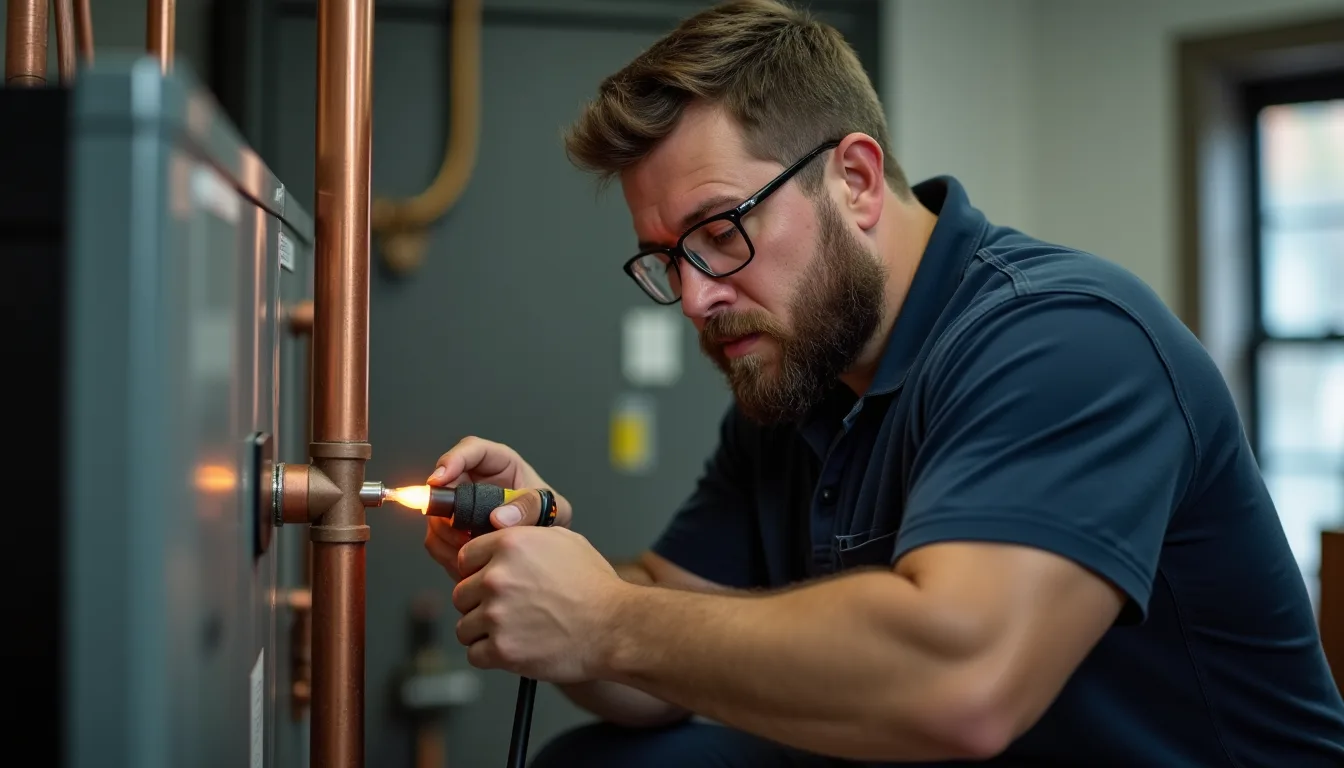
How Nearby Construction Affects Your AC in Winter Park
Published: 2026-04-25 · By CoolTropic AC Repairs
As a Winter Park resident, you’re no stranger to the insistent humidity and the effects of salt air on your home, particularly your air conditioning unit. Imagine coming home after a long day to find that your AC unit is struggling, or worse, has broken down completely. With nearby construction projects often kicking up dust or altering airflow, the stress on your system could increase significantly. Understanding how these factors at play can affect your air conditioning system isn't just useful—it's essential for comfort and functionality, especially in our subtropical climate.
Why This Matters for Winter Park Homeowners
In Winter Park, the combination of high humidity and salt air corrosion can wreak havoc on air conditioning systems. When construction occurs in your neighborhood, dust and debris can overwhelm a unit's filters, leading to blockages that reduce airflow and efficiency. Frequent storms can also introduce moisture into your home, which may lead to mold growth or corrosion of key components. Additionally, metallic AC parts are particularly susceptible to rust in this coastal environment, especially when surrounded by new build sites that stir up corrosive salt-laden air.
Furthermore, the substantial presence of elevated homes in our area presents its own challenges. If your home doesn’t maintain proper ventilation, the increased moisture can seep into your AC system, compromising its performance. With the costs of a new unit easily reaching $5,000 to $10,000, a breakdown during the heat of summer can turn into a financial strain.
Expert Solutions & Actionable Tips
1. Regular Maintenance Checks
Having your air conditioning unit inspected biannually can catch issues like corrosion and blockages before they require extensive repairs. Expect to spend around $100-$200 for a thorough inspection, which can extend the lifespan of your equipment significantly.
For Winter Park homeowners, it’s recommended to schedule these checks early in spring to ensure your unit is prepared for the hot months ahead.
2. Use High-Quality Filters
Opt for HEPA filters that are capable of trapping smaller particles, including dust and debris stirred up by nearby construction. These filters cost between $20 and $50, but their efficiency is worth the investment, particularly in our humidity-prone area.
Replacing filters every three months can greatly improve indoor air quality and reduce stress on your AC unit, ensuring better performance during peak usage periods.
3. Adequate Insulation
Insulating ducts and ensuring that your home is adequately sealed can prevent moisture build-up. The cost of insulation varies, generally ranging from $1,000 to $3,000 depending on material and area covered, and can significantly enhance your cooling efficiency.
Connecting with a local contractor familiar with Florida's building codes can streamline this process, helping you avoid common oversights that lead to costly repairs.
4. Monitor Humidity Levels
Investing in a hygrometer can help you track the indoor humidity levels of your home. Ideally, indoor humidity should be kept below 60%. You can find reasonable options for $15-$50 that provide quick readings.
Keeping humidity in check can ease the burden on your AC system, particularly during Florida's summer season when moisture levels peak.
5. Consider Air Purifiers
Using an air purifier in conjunction with your AC system can help filter out pollutants and allergens. These units can range from $100 to over $500 depending on capacity and features. Pairing a purifier with your AC can ensure cleaner air and reduce wear and tear on your system.
This is especially beneficial in an area like Winter Park, where outdoor air can carry salt and dust.
6. Emergency Plans for AC Failures
Establish a protocol for what to do in the event of an AC breakdown. Creating a list of local repair services, such as CoolTropic AC Repairs, can save valuable time and reduce stress when an emergency arises.
Understanding who to call can expedite the repair process, preventing further discomfort during Florida’s hottest days.
Winter Park Climate & Local Context
Winter Park’s subtropical climate contributes to a unique set of challenges for air conditioning systems. As a community subject to heavy rainfall paired with dry spells, the elevated homes here are often built with moisture barriers to combat humidity. Local building codes ensure that properties are constructed to withstand extreme weather conditions; however, these protections can sometimes mask underlying AC issues. Frequent inspections are vital to ensure compliance amid seasonal changes.
The proximity to coastal ecosystems means that properties are more vulnerable to corrosive conditions, which can lead to more frequent repairs than those faced by homes in less humid regions. It’s crucial to stay informed about industry standards to ensure your AC operates as Designed.
When to Call a Professional
Homeowners in Winter Park often wonder whether they should tackle AC repairs on their own or enlist the help of professionals. While basic maintenance chores like replacing filters can be handled by almost anyone, certain situations mandate expert intervention. When things get tricky, it’s vital to know the warning signs.
- Foul odors emitting from the unit
- Unusual noises, such as grinding or hissing
- Unexpected fluid leakages around the unit
- Electricity bills that spike without reason
- Air that’s not cool despite functioning components
- Unit fails to turn on or frequently trips breakers
- Increased humidity indoors, despite operating AC
These red flags indicate it’s time to call in a professional like CoolTropic AC Repairs. Experienced technicians can diagnose issues accurately, ensuring your unit performs optimally.
Frequently Asked Questions
What is the average lifespan of an AC unit in Winter Park?
Typically, an air conditioning unit lasts around 12 to 15 years in Winter Park due to the humidity and salt air conditions, but regular maintenance can extend that lifespan.
How often should I replace my AC filters?
In a humid environment like ours, it’s ideal to replace filters every 2-3 months to maintain efficiency and indoor air quality.
What are common signs that my AC needs repairs?
Common indicators include poor airflow, strange noises, or moisture around the unit—any of which can signal a need for professional evaluation.
Are there specific permits required for AC installation in Winter Park?
Yes, local codes typically require permits for new installations or significant repairs—CoolTropic AC Repairs can assist with this process.
Why is it important to have my AC unit inspected regularly?
Regular inspections help catch issues early, leading to better efficiency and potentially saving costly repairs down the road, especially in Florida's climate.
Get Expert Air Conditioning Repair Service in Winter Park
Your air conditioning system is vital to your comfort, especially with Winter Park’s humid climate. Don’t let nearby construction or seasonal challenges compromise your comfort. Reach out to CoolTropic AC Repairs for professional services that cater to your local needs.
Call us today at (407) 988-2167 and ensure your home remains a refreshing oasis against the heat!