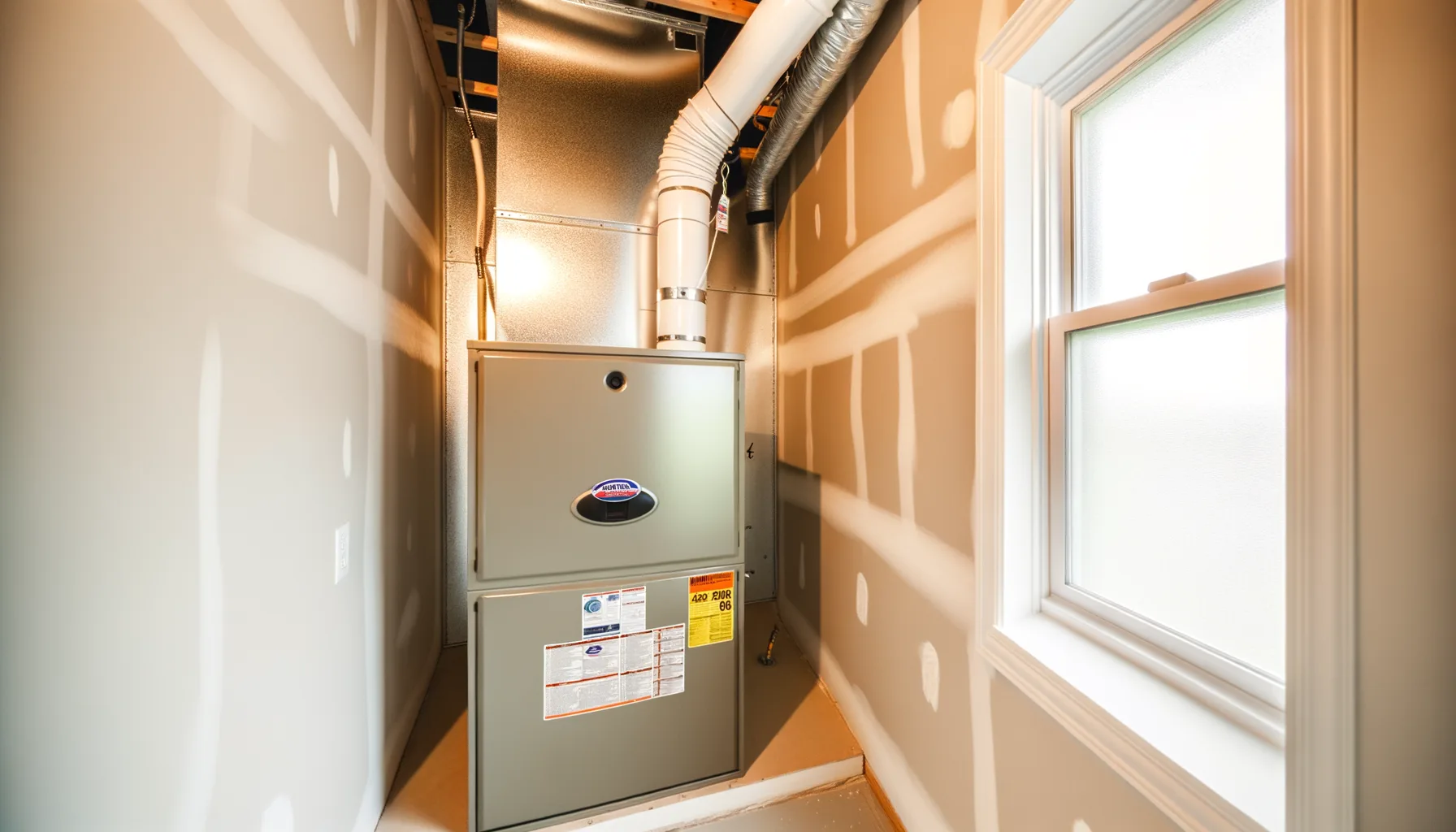
How Humidity Control Works With Your Winter Park AC System
Published: 2026-04-25 · By CoolTropic AC Repairs
Imagine it’s a sweltering summer day in Winter Park, and the humidity has turned your living room into a tropical rainforest. You walk to your thermostat, only to find it stuck at an uncomfortable temperature despite your efforts to cool down. The blend of heat and moisture isn’t just uncomfortable; it could lead to long-term damage to your home. Understanding how your air conditioning system controls humidity is crucial for maintaining both comfort and structural integrity in the face of our unique Florida climate.
Why This Matters for Winter Park Homeowners
For homeowners in Winter Park, the battle against humidity is a year-round challenge exacerbated by the tropical storms and high moisture levels characteristic of Florida. Many families find themselves struggling with excess humidity, which can lead to mold growth, wood rot, and corrosion of metal fixtures. The presence of salt air along the coast not only affects your comfort but threatens the life of critical components in your home.
Humidity levels above 60% can make your home feel sticky, but that’s only the beginning of the trouble. Poor humidity control can strain your AC unit, increasing energy costs due to operation inefficiencies. Furthermore, elevated homes and moisture barriers, common in our area, can trap dampness that leads to significant structural issues if not properly managed.
Tip: Regular maintenance checks with CoolTropic AC Repairs can help you stay ahead of humidity issues. Schedule seasonal service to mitigate moisture problems before they escalate.
The impact of humidity on your property cannot be underestimated. The added weight of humidity can affect airflow and make cooling less efficient, driving up costs when your AC gets overworked. Considering that Winter Park often sees humidity levels at or above this critical threshold, knowing how your AC responds to moisture is essential.
Expert Solutions & Actionable Tips
1. Understanding Humidity Levels
Monitoring indoor humidity with a hygrometer can provide invaluable insight. Ideally, you want to maintain levels between 30% and 50% for optimal comfort. Investing in a quality hygrometer can cost around $15-$50. Keeping tabs on these readings can help you identify moisture buildup before it becomes a serious concern.
Consider operating your air conditioning unit longer during the hotter months to keep humidity levels down. Although this may increase energy bills by 10-30%, the longer-term benefits for your health and home’s structure are well worth it.
2. Regular System Maintenance
Scheduling regular maintenance with CoolTropic AC Repairs is essential, especially in humid climates. An annual tune-up can cost between $75 and $150 and significantly enhance your AC’s ability to control humidity. During these checks, professionals can clean coils, check refrigerant levels, and replace filters, ensuring smooth operation.
Trying to perform maintenance yourself can lead to oversights that might exacerbate issues. Professionals spot potential issues that homeowners might overlook, saving you money and headaches later.
3. Choosing the Right AC System
If you’re considering installing a new AC unit, opt for a system designed specifically for humid environments, such as those with variable-speed compressors. The cost for these systems typically starts around $5,000. This upfront investment pays off in the form of energy efficiency and superior humidity control.
Consult local experts to evaluate the best options. An appropriate choice helps in reducing overall humidity significantly while keeping your home comfortable.
4. Dehumidifiers: Your Best Friend
In conjunction with your Central AC, a dehumidifier can be indispensable. Homeowners can purchase portable models for about $200-$400, or consider whole-home systems which can cost between $1,200 and $2,500. These devices directly address humidity, enhancing air quality while lessening the burden on your AC system.
Using a dehumidifier will not only improve your comfort but can also help lower your energy bills, making it a smart addition for Winter Park residents.
5. Proper Insulation and Sealing
Improving your home’s insulation can greatly impact humidity levels by preventing excess moisture from entering. Costs for insulation upgrades typically range from $1,500 to $3,500, depending on the materials chosen. By sealing leaks and ensuring your attic and crawl spaces are insulated, you'll find that your AC does not have to work as hard to maintain comfort.
This investment protects your home from external humidity, making it an essential consideration for any Winter Park property.
6. Track Weather Patterns
Keeping an eye on local weather forecasts can help you anticipate fluctuations in humidity levels. Investing in a weather app can aid in planning when to run your AC more frequently or when to open windows for cross-ventilation.
Understanding seasonal changes can significantly improve your indoor comfort and prolong the life of your AC system, making it essential for Winter Park homeowners to stay informed.
Winter Park Climate & Local Context
Winter Park is home to a subtropical climate characterized by long, hot, and muggy summers with relatively mild winters. The consistent high humidity levels can lead to a range of issues for homeowners if not managed properly. Moisture barriers and elevated structures help mitigate some of the effects, but without adequate air conditioning repair and maintenance, problems can escalate quickly.
Furthermore, given our proximity to the coast and the resultant salt air, Winter Park properties often face corrosive environmental factors that can damage HVAC systems faster than in drier climates. Many local codes currently recommend robust materials for AC installations that resist corrosion and humidity-related deterioration.
Understanding these localized challenges is critical for ensuring year-round comfort and maintaining the integrity of your home’s HVAC system. Addressing these concerns proactively can prevent considerable expenses down the line.
When to Call a Professional
While some minor AC system issues can be tackled DIY, others require professional intervention. It’s vital to know when to call experts like CoolTropic AC Repairs. Common red flags include:
- Constantly running AC with no temperature drop
- Excessive moisture or ice buildup on the indoor unit
- Unusual noises during operation
- Foul odors emanating from the system
- Electrical issues such as blown fuses or tripped breakers
- Leaking refrigerant or water near the unit
If you notice any of these issues, reaching out to a professional not only ensures safety but often saves you money by preventing larger problems. DIY repairs without proper knowledge can easily worsen problems and lead to costly consequences.
Frequently Asked Questions
How often should I service my AC unit?
In Winter Park, it's recommended to have your AC serviced at least once a year, ideally before the peak summer months.
What are signs my AC is struggling with humidity?
Common signs include condensed moisture on windows, excessive sticky air inside, or improper cooling from vents.
Can high humidity damage my home?
Yes, prolonged high humidity can lead to mold growth, wood rot, and damage to painted surfaces in your Winter Park home.
What components are most vulnerable in humid conditions?
In humid areas like ours, evaporator coils and drainage systems face significant risk of corrosion and clogs due to condensation.
Is it worth investing in a dehumidifier?
Absolutely! In our climate, a dehumidifier can make a significant difference in both comfort and energy efficiency.
Get Expert Air Conditioning Repair Service in Winter Park
If your AC system struggles to handle humidity, don’t wait for the discomfort to grow. Call (407) 988-2167 now to speak with a specialist from CoolTropic AC Repairs and ensure your home stays cool and dry this season.
Make sure your winter sanctuary remains a comfortable refuge from the heat and humidity in Winter Park— contact us today!